Best Social media platforms for your business
One of the dilemmas of business is getting the right people to patronize your goods and services. Marketing goods and services seem pretty easy but may be difficult on the long run. The question therefore bothers on:
How can I get the right people? What strategy is most innovative as well as recent as it relates to inducing the teeming populace to patronize my brand?
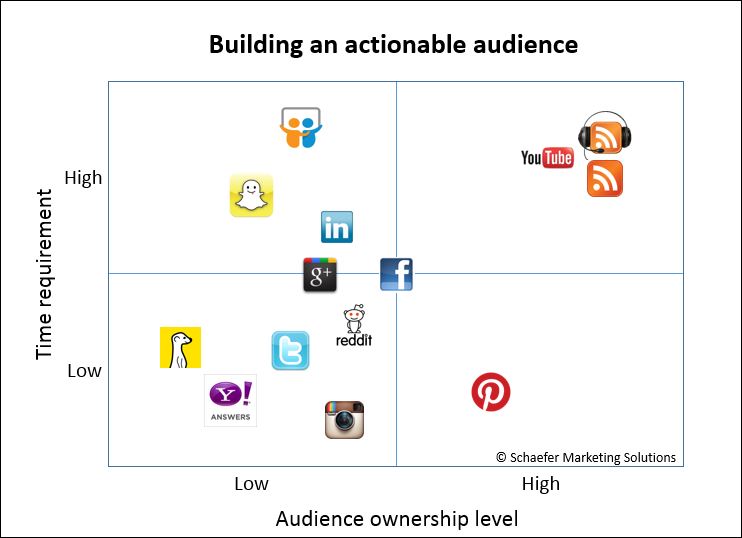
The simple truth is that the answer to these questions and more are not far fetched. The internet provides a good platform to market your products.If you tweet something, it’s kind of like throwing a message in a bottle into the ocean, isn’t it? You don’t really know who will read it … or if anyone will. However, if somebody subscribes to a blog or YouTube channel, they are asking for your content. There is a good chance they will actually see it. The goal of social media marketing is to direct more audience member to subscriptions — reliable reach — over time, There is generally a relationship between the time you put into social media and the level of reliable reach you attain.
 Meerkat/Periscope — Streaming video is hot right now
but at this point the genre is limited in its ability to attain
reliable reach. You can stream live from an event or from your home but
it has a limited opportunity for sustaining an audience because who you
reach is dependent on who is available in that moment.
Meerkat/Periscope — Streaming video is hot right now
but at this point the genre is limited in its ability to attain
reliable reach. You can stream live from an event or from your home but
it has a limited opportunity for sustaining an audience because who you
reach is dependent on who is available in that moment.
But keep your eye on this space. I think over time, these platforms will improve in their ability to create reliable reach as users figure out creative new uses for regularly-scheduled programming and even integrating with traditional media. Of all the platforms listed here, I think this one has the most potential to shift to the upper right in terms of sustaining an actionable audience.
 Yahoo Answers
— A lot of people still love to visit old school forums and Q&A
sites like Yahoo Answers. Recent research from Edison suggests that more
people visit forums than blogs. However a forum is somewhat limited in
creating a sustainable and actionable audience. You might answer
questions for an entirely new audience each time you visit the site. In
this case, Yahoo really owns the audience, not you.
Yahoo Answers
— A lot of people still love to visit old school forums and Q&A
sites like Yahoo Answers. Recent research from Edison suggests that more
people visit forums than blogs. However a forum is somewhat limited in
creating a sustainable and actionable audience. You might answer
questions for an entirely new audience each time you visit the site. In
this case, Yahoo really owns the audience, not you.
 Twitter
is not as simple as it might appear. Although you are limited to 140
characters, it can be quite difficult creating something meaningful in
that small space.
Twitter
is not as simple as it might appear. Although you are limited to 140
characters, it can be quite difficult creating something meaningful in
that small space.
Twitter stands alone in its ability to create a huge, relevant audience quickly, but since you cannot target groups of followers with messages (at least yet), it sometimes feels like you are throwing a message out to a big silent world. The platform is great at making initial connections which can lead to reliable reach on another platform like a blog or podcast.
 Instagram
— One of the reasons this platform is so popular is that it is so easy
to use. Snap a photo and post. This is one of the reasons that Instagram
is used at work more than any other platform (85% of its users do so!).
In fact it is probably unique among platforms in its opportunity to
create connection with relatively little work. Another advantage is that
there is no timeline editing. Every subscriber has an equal chance of
seeing what you post. But like Twitter, your content is somewhat
ephemeral as it slowly sinks to the bottom of the news feed.
Instagram
— One of the reasons this platform is so popular is that it is so easy
to use. Snap a photo and post. This is one of the reasons that Instagram
is used at work more than any other platform (85% of its users do so!).
In fact it is probably unique among platforms in its opportunity to
create connection with relatively little work. Another advantage is that
there is no timeline editing. Every subscriber has an equal chance of
seeing what you post. But like Twitter, your content is somewhat
ephemeral as it slowly sinks to the bottom of the news feed.
 Pinterest
is the only platform in the box of “low work, high reach.” Primarily,
you are creating audience value by curating content (rather than
creating content) from other sources on the web into logical pages that
will inspire and entertain. And if you do an excellent job with
curation, you can build a very loyal audience. One sign of the
platform’s ability to create an active audience is that “pinned” items drive more web traffic than any other platform.
Pinterest
is the only platform in the box of “low work, high reach.” Primarily,
you are creating audience value by curating content (rather than
creating content) from other sources on the web into logical pages that
will inspire and entertain. And if you do an excellent job with
curation, you can build a very loyal audience. One sign of the
platform’s ability to create an active audience is that “pinned” items drive more web traffic than any other platform.
 Google+ is the most mysterious of all the platforms. Is it vital and vibrant? Or, is it a desolate ghost town? The answer is, “both.”
Despite the cries of its stalwart defenders, Google+ is simply not a mainstream public platform. Most people simply don’t care about the SEO benefits. It’s never mentioned on TV, you don’t see businesses asking for a follow on G+, and it’s not on the radar screen of Millennials. So your access to mainstream consumers is extremely limited.
However, G+ is nearly unparalleled in its ability to create passionate communities of fans who rally around a cause, a subject, or a person. There are wonderful communities dedicated to photography, cars, and tech, for example. You can certainly build an actionable audience on G+ but the platform trends toward the left on the chart because of its limited scope.
 Facebook
is like a gambling addiction. You keep putting more and more money into
it because the idea of a huge payoff is so intoxicating. You can’t
ignore Facebook. It’s huge and popular but in many ways, it’s the most
difficult platform to navigate.
Facebook
is like a gambling addiction. You keep putting more and more money into
it because the idea of a huge payoff is so intoxicating. You can’t
ignore Facebook. It’s huge and popular but in many ways, it’s the most
difficult platform to navigate.
 Reddit
hosts an unparalleled number of content-centric communities. It’s kind
of a combination of Google+, Forums, and blogging. Like G+, people are
passionate about the platform and their communities. Like forums, people
will go to great lengths to help each other, and like blogging, there
is an emphasis on thought-provoking, original content. There are Reddit
communities for almost any topic but forget about promoting your local
pizza business. Any form of commercial display is likely to get you
kicked out.
Reddit
hosts an unparalleled number of content-centric communities. It’s kind
of a combination of Google+, Forums, and blogging. Like G+, people are
passionate about the platform and their communities. Like forums, people
will go to great lengths to help each other, and like blogging, there
is an emphasis on thought-provoking, original content. There are Reddit
communities for almost any topic but forget about promoting your local
pizza business. Any form of commercial display is likely to get you
kicked out.
 LinkedIn
— A year ago, LinkedIn would have been down low in the “low work-low
audience” block with Twitter. Sure, it’s a great place to look for a job
but there just was not much socialization going on there. That has all
changed with its new emphasis on publishing. Now, any member can use
LinkedIn as a blogging forum and tap into the potential exposure of LinkedIn’s vast audience.
LinkedIn
— A year ago, LinkedIn would have been down low in the “low work-low
audience” block with Twitter. Sure, it’s a great place to look for a job
but there just was not much socialization going on there. That has all
changed with its new emphasis on publishing. Now, any member can use
LinkedIn as a blogging forum and tap into the potential exposure of LinkedIn’s vast audience.
For those who have not been able to patiently build a dedicated blog community, this is an amazing opportunity, and scores of people are finally finding an audience for their work. The main limitation is that this is a business site. You probably aren’t going to publish about your favorite sports team or restaurant unless there is a business lesson behind it. And of course, ultimately, LinkedIn still owns the audience.
 Snapchat
— You might be thinking that I have this in the wrong place on this
chart. How hard could it be to create content for Snapchat? You just
post photos right? And doesn’t Snapchat offer among the most engaged and
passionate users?
Snapchat
— You might be thinking that I have this in the wrong place on this
chart. How hard could it be to create content for Snapchat? You just
post photos right? And doesn’t Snapchat offer among the most engaged and
passionate users?
You would be right on both counts. HOWEVER. I am writing this from the perspective of corporate marketing success. Let me give you an example of how difficult this platform is to master.
Disney recently hired well-known Snapchat artists to create snaps throughout their park over a 24 hour period. It was a great success and Disney garnered 50,000 new followers from the stunt. So the first lesson is that it takes some effort to attract new followers. The second lesson is, the art created for this program was not easy, not cheap, and it lasted just a few moments, never to be re-purposed again. The final point is … now what? Once Disney had the new followers, how are they going to keep that edgy millennial art going to sustain the gains? Snapchat is fun and easy unless you’re a brand marketer. Success requires an in-the-moment style of goofiness not smiled upon by the corporate attorneys.
 Slideshare
— I wrote a blog post. It was viewed 7,000 times. I turned it into a
Slideshare presentation. It was viewed 110,000 times. Any questions?
Slideshare
— I wrote a blog post. It was viewed 7,000 times. I turned it into a
Slideshare presentation. It was viewed 110,000 times. Any questions?
Slideshare has the potential for incredible reach to an entirely new audience. But it is also very difficult to be successful because there is a certain art involved in telling a compelling visual story through slides. You need the content, the images, the great story. It can’t be too short, it can’t be too long. You can’t really DIY it on the graphics. And the Slideshare audience is still limited, by far the smallest platform covered here, which is why audience ownership is limited. Only 15 percent of marketers are actively using it.
Still, it is growing, owned by LinkedIn, and highly indexed by Google. If you put in the work there is lots of opportunity to build a presence that leads to an actionable community especially if your competitors aren’t there yet.
 Blogging, Podcasting, and Video
— I am grouping these three titans in the upper right corner because
they are all similar and distinctive in their importance. The
opportunities for these three platforms:
Blogging, Podcasting, and Video
— I am grouping these three titans in the upper right corner because
they are all similar and distinctive in their importance. The
opportunities for these three platforms:
Again, I would like to emphasize that there are many more opportunities within these platforms than I could cover in a short, generalized blog post. There are many exceptions to these “rules.” But I hope presenting this in the unique perspective of effort versus audience has been useful and thought-provoking. The comment section is yours!
How can I get the right people? What strategy is most innovative as well as recent as it relates to inducing the teeming populace to patronize my brand?
The simple truth is that the answer to these questions and more are not far fetched. The internet provides a good platform to market your products.If you tweet something, it’s kind of like throwing a message in a bottle into the ocean, isn’t it? You don’t really know who will read it … or if anyone will. However, if somebody subscribes to a blog or YouTube channel, they are asking for your content. There is a good chance they will actually see it. The goal of social media marketing is to direct more audience member to subscriptions — reliable reach — over time, There is generally a relationship between the time you put into social media and the level of reliable reach you attain.
Meerkat/Periscope — Streaming video is hot right now
but at this point the genre is limited in its ability to attain
reliable reach. You can stream live from an event or from your home but
it has a limited opportunity for sustaining an audience because who you
reach is dependent on who is available in that moment.
But keep your eye on this space. I think over time, these platforms will improve in their ability to create reliable reach as users figure out creative new uses for regularly-scheduled programming and even integrating with traditional media. Of all the platforms listed here, I think this one has the most potential to shift to the upper right in terms of sustaining an actionable audience.
Yahoo Answers
— A lot of people still love to visit old school forums and Q&A
sites like Yahoo Answers. Recent research from Edison suggests that more
people visit forums than blogs. However a forum is somewhat limited in
creating a sustainable and actionable audience. You might answer
questions for an entirely new audience each time you visit the site. In
this case, Yahoo really owns the audience, not you.Twitter
is not as simple as it might appear. Although you are limited to 140
characters, it can be quite difficult creating something meaningful in
that small space.Twitter stands alone in its ability to create a huge, relevant audience quickly, but since you cannot target groups of followers with messages (at least yet), it sometimes feels like you are throwing a message out to a big silent world. The platform is great at making initial connections which can lead to reliable reach on another platform like a blog or podcast.
Instagram
— One of the reasons this platform is so popular is that it is so easy
to use. Snap a photo and post. This is one of the reasons that Instagram
is used at work more than any other platform (85% of its users do so!).
In fact it is probably unique among platforms in its opportunity to
create connection with relatively little work. Another advantage is that
there is no timeline editing. Every subscriber has an equal chance of
seeing what you post. But like Twitter, your content is somewhat
ephemeral as it slowly sinks to the bottom of the news feed.Pinterest
is the only platform in the box of “low work, high reach.” Primarily,
you are creating audience value by curating content (rather than
creating content) from other sources on the web into logical pages that
will inspire and entertain. And if you do an excellent job with
curation, you can build a very loyal audience. One sign of the
platform’s ability to create an active audience is that “pinned” items drive more web traffic than any other platform.Google+ is the most mysterious of all the platforms. Is it vital and vibrant? Or, is it a desolate ghost town? The answer is, “both.”Despite the cries of its stalwart defenders, Google+ is simply not a mainstream public platform. Most people simply don’t care about the SEO benefits. It’s never mentioned on TV, you don’t see businesses asking for a follow on G+, and it’s not on the radar screen of Millennials. So your access to mainstream consumers is extremely limited.
However, G+ is nearly unparalleled in its ability to create passionate communities of fans who rally around a cause, a subject, or a person. There are wonderful communities dedicated to photography, cars, and tech, for example. You can certainly build an actionable audience on G+ but the platform trends toward the left on the chart because of its limited scope.
Facebook
is like a gambling addiction. You keep putting more and more money into
it because the idea of a huge payoff is so intoxicating. You can’t
ignore Facebook. It’s huge and popular but in many ways, it’s the most
difficult platform to navigate.- To really succeed, you must be a conversational brand, or become one (not easy or cheap).
- It takes a lot of money and effort to build an audience — but then Facebook keeps you away from them. Facebook severely limits access to your audience. Read this post on the decline in Facebook organic reach to learn more about that.
- While Facebook seems simple (and free!) it’s not. To get your content on to a timeline, you probably need to spend a lot on quality, promotion, or both.
Reddit
hosts an unparalleled number of content-centric communities. It’s kind
of a combination of Google+, Forums, and blogging. Like G+, people are
passionate about the platform and their communities. Like forums, people
will go to great lengths to help each other, and like blogging, there
is an emphasis on thought-provoking, original content. There are Reddit
communities for almost any topic but forget about promoting your local
pizza business. Any form of commercial display is likely to get you
kicked out.LinkedIn
— A year ago, LinkedIn would have been down low in the “low work-low
audience” block with Twitter. Sure, it’s a great place to look for a job
but there just was not much socialization going on there. That has all
changed with its new emphasis on publishing. Now, any member can use
LinkedIn as a blogging forum and tap into the potential exposure of LinkedIn’s vast audience.For those who have not been able to patiently build a dedicated blog community, this is an amazing opportunity, and scores of people are finally finding an audience for their work. The main limitation is that this is a business site. You probably aren’t going to publish about your favorite sports team or restaurant unless there is a business lesson behind it. And of course, ultimately, LinkedIn still owns the audience.
Snapchat
— You might be thinking that I have this in the wrong place on this
chart. How hard could it be to create content for Snapchat? You just
post photos right? And doesn’t Snapchat offer among the most engaged and
passionate users?You would be right on both counts. HOWEVER. I am writing this from the perspective of corporate marketing success. Let me give you an example of how difficult this platform is to master.
Disney recently hired well-known Snapchat artists to create snaps throughout their park over a 24 hour period. It was a great success and Disney garnered 50,000 new followers from the stunt. So the first lesson is that it takes some effort to attract new followers. The second lesson is, the art created for this program was not easy, not cheap, and it lasted just a few moments, never to be re-purposed again. The final point is … now what? Once Disney had the new followers, how are they going to keep that edgy millennial art going to sustain the gains? Snapchat is fun and easy unless you’re a brand marketer. Success requires an in-the-moment style of goofiness not smiled upon by the corporate attorneys.
Slideshare
— I wrote a blog post. It was viewed 7,000 times. I turned it into a
Slideshare presentation. It was viewed 110,000 times. Any questions?Slideshare has the potential for incredible reach to an entirely new audience. But it is also very difficult to be successful because there is a certain art involved in telling a compelling visual story through slides. You need the content, the images, the great story. It can’t be too short, it can’t be too long. You can’t really DIY it on the graphics. And the Slideshare audience is still limited, by far the smallest platform covered here, which is why audience ownership is limited. Only 15 percent of marketers are actively using it.
Still, it is growing, owned by LinkedIn, and highly indexed by Google. If you put in the work there is lots of opportunity to build a presence that leads to an actionable community especially if your competitors aren’t there yet.
Blogging, Podcasting, and Video
— I am grouping these three titans in the upper right corner because
they are all similar and distinctive in their importance. The
opportunities for these three platforms:- You generally must create original, distinctive content to stand out. Not easy. Not cheap.
- The opportunity for reliable reach is unprecedented because people subscribe to your content. In other words, not only do they consume it, they expect it.
- Consistently publishing a blog, video series, or podcast allows you develop important, loyal connections over time. These are people specifically interested in you and they are actionable.
- There are virtually no limitations to the type of audience you can reach.
- You own the content. It is permanent and can be re-purposed for years.
- This represents a proprietary audience accessible by you.
Again, I would like to emphasize that there are many more opportunities within these platforms than I could cover in a short, generalized blog post. There are many exceptions to these “rules.” But I hope presenting this in the unique perspective of effort versus audience has been useful and thought-provoking. The comment section is yours!


Comments
Post a Comment